Butler Sinks in South Africa: Sizes, Materials and How to Choose the Right One
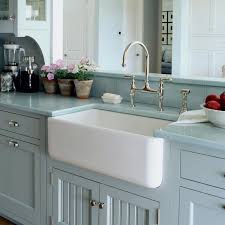
The butler sink is one of those rare fittings that has never really gone out of fashion. Its deep, generous bowl and clean, squared front have anchored farmhouse kitchens for well over a century, and today the same design sits just as comfortably in a sleek modern scullery or a heritage-style country kitchen. If you are weighing up a butler sink for a new kitchen or a renovation, this guide walks through the styles, materials, sizes and practical considerations that matter, so you can choose one that looks right and lasts. You can browse the full range in our butler sinks collection as you read.
What Is a Butler Sink?
A butler sink is a deep, wide, single or double bowl sink with an exposed front face that sits flush with, or slightly proud of, the cabinetry beneath it. Unlike a standard drop-in kitchen sink that hides inside a worktop, a butler sink makes a feature of its front panel. The design dates back to a time when large volumes of water were carried and stored by hand, which is why the bowls are so deep: they were built to hold and wash large pots, pans and laundry. That same depth is exactly why the style remains so practical in a busy family kitchen today.
Because the bowl carries a lot of weight when full, a butler sink is usually mounted on a dedicated base cabinet with a supportive frame or a purpose-built sink unit. It can be installed as an undermount below a stone or timber worktop, or set into the cabinetry so the front face is on show. Either approach gives you the classic look, and both are well suited to the fireclay and ceramic models in our butler sink range.
Butler Sink vs Belfast Sink: What Is the Difference?
The terms butler sink and Belfast sink are often used interchangeably, but there is a genuine historical distinction. According to Wikipedia's overview of the butler's sink, the traditional London-pattern butler sink was a shallower bowl designed to conserve water, while the Belfast pattern is deeper and fitted with a built-in overflow weir that stops the bowl flooding over its edge. Both patterns were historically made to a similar footprint of roughly 595mm wide by 460mm front to back. In everyday South African usage the phrase butler sink now covers both styles, so the practical decision is really about depth and whether you want a built-in overflow rather than the name on the label.
Butler Sink Materials
Material is the single biggest factor in how a butler sink looks, feels and wears over time. The three you will meet most often are fireclay, fine ceramic and composite.
Fireclay and Ceramic
The classic butler sink is made from fireclay, a dense, high-firing clay. As Wikipedia notes, fireclay is a refractory clay valued for its stability at very high kiln temperatures, which is what allows manufacturers to produce large, complex sanitaryware shapes with a hard, glazed surface. In a sink that translates to a thick, chip-resistant body and a glossy white glaze that wipes clean and resists staining. The Shaws fireclay butler sinks in our range, for example, are finished in a crisp gloss white that suits both traditional and contemporary schemes. Fireclay is heavier than most alternatives, so factor the weight into your cabinetry.
Composite and Stone
Composite butler sinks blend crushed stone or quartz with resin to create a tough, non-porous surface that is available in colours beyond classic white, including greys and matte blacks. Composite bowls tend to be a little lighter than fireclay and more forgiving of knocks, which makes them a popular choice in high-traffic family kitchens where a modern, understated finish is the goal.
Choosing the Right Butler Sink Size
Butler sinks are usually described by the width of the bowl. The two most common single-bowl sizes are around 600mm and 800mm:
- 600mm butler sink (roughly 595mm wide): the traditional size, ideal for smaller kitchens, sculleries and laundries where space is tight but you still want a deep bowl.
- 800mm butler sink (roughly 795mm wide): a more generous single bowl that comfortably takes oven trays, large pots and baking sheets, and suits medium to large kitchens.
Before you commit to a size, measure the internal width of the base cabinet that will house the sink, and allow clearance for the worktop and any tap that mounts behind the bowl. A butler sink needs a cabinet built to carry it, so the sink width and the cabinet width need to be planned together rather than chosen separately.
Single Bowl or Double Bowl?
Most butler sinks are a single deep bowl, which maximises the space for soaking and washing large items. If you prefer to separate washing and rinsing, or you want a dedicated side for food preparation, a double-bowl butler sink such as a Shaker double gives you two compartments in one fitting. Double bowls need a wider cabinet, typically 800mm and up, so they work best in larger kitchens. For most homes a single deep bowl remains the more flexible choice, and you can see both configurations in the butler sinks collection.
Pairing Your Butler Sink With the Right Tap
A butler sink sits lower and further forward than a standard sink, so tap choice matters more than usual. A tall gooseneck or a bridge-style mixer gives you the height and reach to fill deep pots comfortably, while a pull-out spray head makes rinsing the far corners of a wide bowl much easier. Because the exposed front face is part of the look, many homeowners choose a statement tap finish, such as brushed brass, matte black or polished chrome, to complete the scheme. Explore mixers and pull-out models in our kitchen taps collection, and if you would like a fuller breakdown of tap types and finishes, our complete guide to taps covers mixers, materials and thermostatic options in detail.
It is also worth coordinating the finish of your waste, strainer and any soap dispenser with the tap. The fireclay butler sinks in our range are typically supplied with a large chrome basket strainer waste, and matching the smaller fittings to the tap keeps the whole area looking considered. You will find strainers, wastes and finishing pieces in our kitchen accessories collection.
Installation and Care
A fireclay butler sink is heavy, especially when full, so the base cabinet must be built or reinforced to carry the load. Undermount installations should use robust brackets or a supporting rail, and the worktop cut-out needs to be sealed carefully to keep water out of the cabinet. If you are fitting the sink yourself, dry-fit the bowl and check the tap and waste positions before you seal anything permanently.
Day to day, a glazed fireclay or ceramic butler sink is easy to look after. Warm soapy water and a soft cloth handle most cleaning, and a non-abrasive cream cleaner will lift stubborn marks without dulling the glaze. Avoid harsh abrasive pads and strong bleaches, which can wear the surface over time. Placing a protective grid or mat in the base of the bowl helps guard the glaze against heavy pots and cutlery, and rinsing away tea, coffee and food residues promptly keeps the white finish looking bright.
Where a Butler Sink Works Best
The obvious home for a butler sink is the kitchen, where its depth earns its keep every day. It is equally at home in a scullery or utility room, where a deep bowl makes light work of soaking pans, filling buckets and hand-washing bulky items away from the main kitchen. Laundries are another natural fit, particularly the larger single bowls. Whichever room you choose, the butler sink brings the same blend of heritage character and everyday practicality, and it pairs neatly with the wider range in our kitchen sinks collection if you want to compare it against drop-in and under-counter alternatives. To tie the whole scheme together, our guide to choosing accessories and finishes is a useful companion read.
Find Your Butler Sink at Bella Bathrooms
A well-chosen butler sink is an investment that combines timeless looks with genuine day-to-day usefulness, and getting the size, material and tap pairing right is what makes the difference. If you would like to see the options in person, visit our Kramerville showroom, where our team can talk you through sizes, materials and the right cabinetry to support your sink, and you are welcome to a cup of our amazing coffee while you browse. When you are ready, explore the full butler sinks collection online and find the one that fits your kitchen.
-
Posted in
butler sink, butler sinks, farmhouse sink, kitchen, kitchen sinks