Mosaic Tiles in South Africa: Materials, Sizes and How to Choose the Right Ones
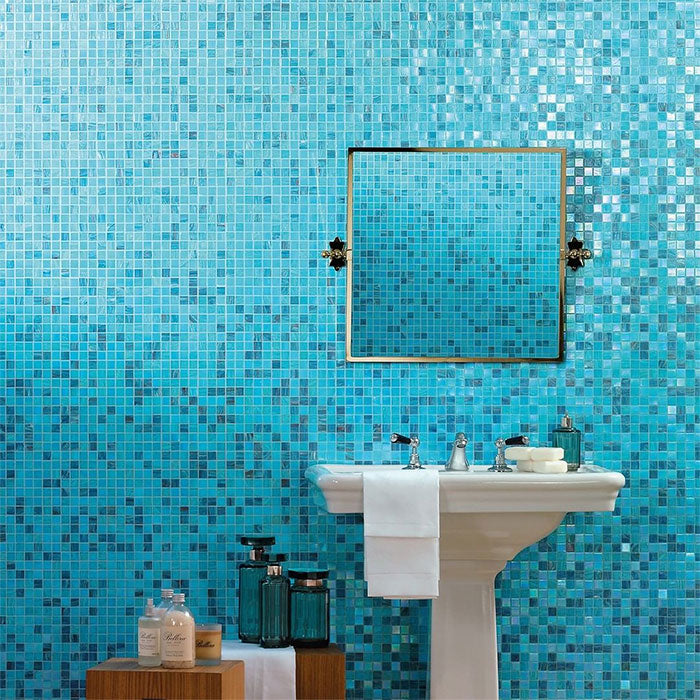
Mosaic tiles are one of the quickest ways to give a bathroom or kitchen real character. Made from small pieces of glass, ceramic, porcelain or stone mounted on sheets, they wrap around curves, fit neatly into niches and bring colour, sparkle or texture to a wall in a way large-format tiles cannot. They are also one of the oldest decorative finishes there is. A mosaic is a surface made of small pieces of coloured stone, glass or ceramic called tesserae, a technique that dates back to Mesopotamia in the 3rd millennium BC and later flourished in Ancient Greece, Rome and the Byzantine Empire.
This guide covers the main types of mosaic tiles available in South Africa, how chip size changes the look, where mosaics work best and how to order the right quantity.
What Are Mosaic Tiles?
Modern mosaic tiles are small chips, from about 2 cm to 10 cm across, fixed to a sheet so they can be laid almost like a single tile. The most common sheet is around 300 x 300 mm, which works out at about 11 sheets per square metre. Others are slightly larger, such as 327 x 327 mm sheets at about 9.35 per square metre, or shaped to suit the pattern, like 223 x 258 mm hexagon sheets at 17 per square metre.
The sheet keeps every chip evenly spaced, so your tiler sets a whole sheet at a time. A few designs, such as our 45 x 45 mm porcelain sheets, are paper-mounted instead, with paper on the face of the tiles that is soaked off once they are set.
Mosaic Tile Materials
The material decides how a mosaic looks, where it can go and what it costs. Our mosaic tiles collection is mainly ceramic and glass, with porcelain and natural stone alongside.
Glass mosaic tiles
Glass mosaics are the classic choice for a wall that catches the light. Glass is non-porous, so steam and splashes do not soak in, which makes it a natural fit for shower walls and splashbacks. Many of our glass chips are 4 mm thick, in sizes from 20 x 20 mm up to 98 x 98 mm, in shades from soft whites and greys to jade, emerald and turquoise. Glass mosaics are made for walls: in our range, almost none are specified for floors.
Ceramic and porcelain mosaics
Ceramic is the largest group in our range and the most versatile, from plain white squares to herringbone, chevron, penny rounds and long, slim strips. Porcelain mosaics are denser and harder-wearing, so they are the better choice where the tiles will be walked on, such as a shower floor.
Marble and natural stone mosaics
Stone mosaics bring natural veining and a tactile, matt surface that suits classic and spa-style bathrooms. Our marble tiles include the Salt Rock marble mosaics in bars, bits and stripes, in shades such as Marquina, Musk, Namaste and Peppermint, alongside stone hexagons such as Hexagon Athens. Marble is softer and more porous than porcelain, so it needs sealing and pH-neutral cleaners. Acidic products such as vinegar will etch the surface.
Mosaic Shapes and Sizes: How Scale Changes the Look
- Small squares (20 to 25 mm). Lots of grout lines create a fine, textured surface that suits curved walls, niches and small areas.
- Medium squares (48 x 48 mm). The most popular size in our range. Bold enough to read clearly from across the room, yet small enough to follow the fall of a shower floor towards the drain.
- Large squares (98 x 98 mm). Fewer grout lines and a calmer, more contemporary feel.
- Hexagons and penny rounds. Hexagons from about 50 mm to 73 mm, and penny rounds 19 mm in diameter, give a softer pattern with a hint of retro charm.
- Herringbone, chevron and strips. Linear chips, such as 45 x 95 mm herringbone or slim 15 x 145 mm strips, add movement and look tailored on a vanity wall or splashback.
In a small room, use fine chips sparingly. A single feature wall or niche looks deliberate, while a whole small bathroom in mosaic can feel busy.
Where to Use Mosaic Tiles
Bathroom feature walls and niches
Mosaics work best in a bathroom when they are given one clearly defined area: the wall behind the vanity, the back wall of the shower, a recessed niche or a band at eye level. Use plain, larger bathroom tiles for the remaining walls and floor so the mosaic has room to stand out.
Shower floors
Small tiles are a smart choice for a shower floor. The extra grout lines give your feet more grip, and small chips follow the slope to the drain far better than large tiles, which have to be cut to create the fall. Choose a matt ceramic, porcelain or stone mosaic that is specified for floors, as only some mosaics carry that rating. For slip ratings and sizes, see our guide to choosing shower floor tiles.
Kitchen splashbacks
Mosaics make a hard-wearing, easy-clean splashback, and glass is especially practical behind a sink or hob because splashes and grease wipe straight off. Run the mosaic between the worktop and the wall units, keep the surrounding walls simple and choose complementary kitchen tiles for the floor. If you are deciding how far up the wall to go, our article on how high kitchen tiles should go covers the options.
Planning a pool? Speak to our team first, as pools need mosaics rated for permanent immersion.
Choosing a Mosaic Finish and Colour
Gloss mosaics reflect light and make colour look richer, so they suit smaller, darker bathrooms and splashbacks. Matt mosaics look calmer and give better grip underfoot. Our range splits fairly evenly between the two.
For colour, decide whether the mosaic is the star of the room or the supporting act. A bold jade, emerald or rust sheet works best against plain walls, while white, grey or black mosaics add texture without competing. Mosaics also sit well beside subway tiles, pairing a classic field tile with a detailed border or niche.
How Many Mosaic Sheets Do You Need?
Mosaics are sold by the sheet. Measure each surface in metres, multiply width by height and add the totals together. Multiply that by the number of sheets per square metre, shown in the product name on our site, then add around 10 per cent for cuts and breakages.
For example, a kitchen splashback 2.4 m long and 0.6 m high covers 1.44 square metres. With 300 x 300 mm sheets at 11 per square metre, you need about 16 sheets, or 18 with the extra 10 per cent. Order everything at once so every sheet comes from the same batch and the colour matches.
What do mosaic tiles cost?
Prices vary widely with material and pattern. At the time of writing (October 2026), mosaic sheets in our range start from around R35 a sheet, and most work out at roughly R1,000 to R3,000 per square metre. The Salt Rock marble mosaics sit at around R225 to R350 a sheet, while statement glass hexagons and premium patterned sheets can pass R5,000 per square metre. As a feature wall or splashback often needs only a square metre or two, a premium mosaic is more affordable than it first appears.
Installing Mosaic Tiles: Adhesive and Grout
- Use a white adhesive behind glass. Glass mosaics are translucent, so a grey adhesive can show through and dull the colour.
- Start with a flat surface. Small chips follow every bump in the wall, so the substrate needs to be smooth and level.
- Choose the right grout. Mosaics have far more joints than standard tiles, so the grout matters. Cement-based grout comes in sanded and unsanded versions, and the finer unsanded type gives a smoother finish that suits narrow mosaic joints. Many tilers avoid sanded grout on glass because it can scratch the surface, and prefer epoxy grout in showers for its resistance to water and stains.
- Pick the grout colour deliberately. A matching grout looks seamless, while a contrasting one makes the pattern bolder.
- Seal natural stone. Marble and stone mosaics should be sealed before grouting and resealed from time to time.
Find the Right Mosaic Tiles for Your Project
Mosaic tiles reward a little planning. Choose glass for sparkle on walls and porcelain or stone for floors, pick a chip size that suits the space, and keep the mosaic to a defined area so it can shine. Get those choices right, and a few square metres of mosaic can lift an entire bathroom or kitchen.
Browse our full range of mosaic tiles online, or visit our Kramerville showroom to see the sheets in person and compare colours side by side. Our team has over 30 years of combined experience and can help you choose the right mosaic and work out exactly how many sheets you need. Get in touch to start planning your project.
-
Posted in
bathroom tiles, buying guide, glass mosaic tiles, kitchen splashback, marble mosaic, mosaic tiles