Subway Tiles in South Africa: Layouts, Colours and How to Choose the Right Ones
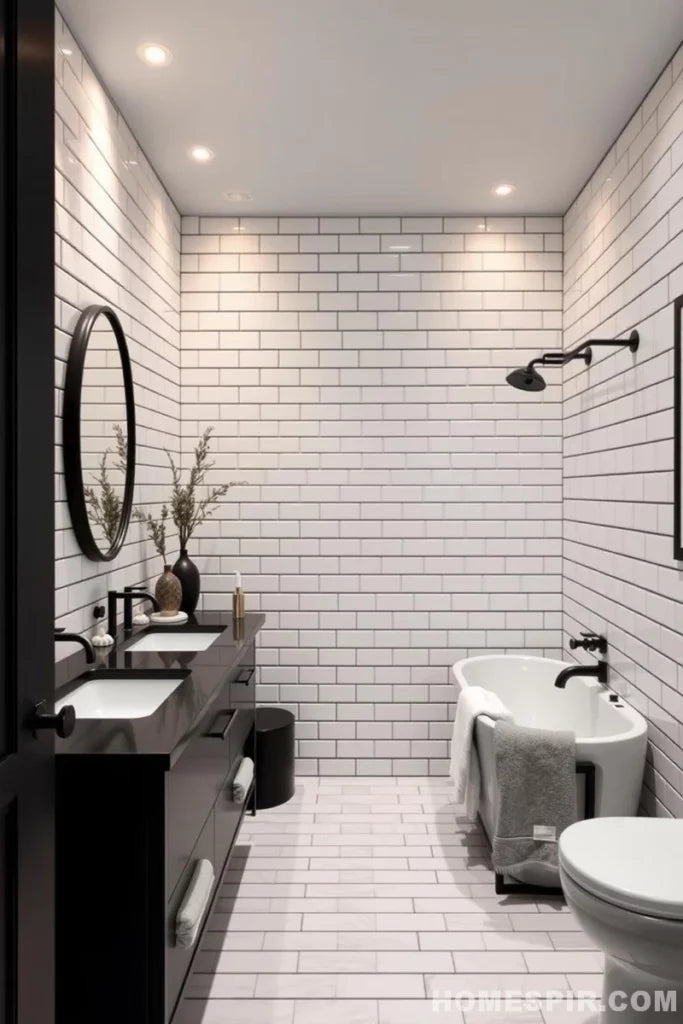
Few tiles have stayed in fashion as long as subway tiles. More than a century after they first appeared underground in New York, the humble rectangular wall tile remains one of the most requested finishes in South African bathrooms and kitchens. Part of that longevity is practical: subway tiles are affordable, easy to source and easy to lay. The rest is pure design flexibility. Change the layout, the colour or the grout, and the same tile can read as crisp and contemporary, softly traditional or boldly graphic.
This guide covers the sizes and layouts worth considering, how colour and finish change the mood of a room, and the grout decisions that determine whether the finished wall looks considered or careless.
What Are Subway Tiles?
A subway tile is a rectangular, usually glazed ceramic tile laid in a repeating pattern on a wall. The name comes from the New York City Subway, whose first underground line opened on 27 October 1904 under the Interborough Rapid Transit Company. The original station walls were finished in white glazed tile chosen for a very unglamorous reason: it was hygienic, hard-wearing and it bounced the limited light around a dim underground space. Those same qualities are why the format migrated into bathrooms and kitchens and never really left.
Subway tiles are also known as metro tiles, and the terms are used interchangeably in South Africa. Either way, you are describing a wall tile roughly twice as long as it is high.
Standard Subway Tile Sizes
The classic proportion is 2:1, and the traditional 75 x 150mm tile is still the most recognisable version of the look. Over the past decade the format has stretched considerably, and our subway tiles collection now spans several proportions:
- 75 x 150mm - the original. Busiest grout pattern, most traditional feel.
- 100 x 200mm - a comfortable middle ground that suits most bathrooms.
- 100 x 300mm and 75 x 300mm - longer, more contemporary, and quicker to lay over a large wall.
- 65 x 200mm and slimmer formats - elongated tiles that emphasise horizontal lines and make a narrow room feel wider.
Smaller tiles mean more grout lines, which adds texture and a handmade quality. Larger formats mean fewer joints and a calmer, more seamless wall. Neither is more correct; it depends on whether you want the tiling to be a feature or a backdrop.
Subway Tile Layouts That Change the Whole Room
Layout is the cheapest design lever you have. The tile cost stays the same, but the pattern completely changes the result.
Offset or Brick Bond
The default. Each row is offset by half a tile, exactly like brickwork. It is forgiving of slightly imperfect walls because the eye never tracks a continuous line, and it is what most tilers will assume unless told otherwise. A one-third offset is a subtler variation that avoids the municipal feel a strict half-bond can have over large areas.
Stack Bond
Tiles are aligned in a perfect grid, with joints lining up horizontally and vertically. This is the most modern-looking option and it suits minimal, architectural bathrooms. Be warned: stack bond is unforgiving. Any deviation in the wall or in the tiler's setting out is instantly visible, so it needs a good substrate and a careful installer.
Vertical Stack and Vertical Offset
Turning subway tiles on their end draws the eye upward and makes a low ceiling feel higher. It is a strong choice for a shower recess or a narrow cloakroom, and it has become one of the more popular ways to use the format without it feeling predictable.
Herringbone and Chevron
Laying rectangular tiles at 45 degrees creates a far richer, more decorative surface. It uses roughly 10 to 15 per cent more tile because of the cuts at the edges, and it takes longer to install, but the impact on a feature wall is considerable. If you are drawn to this route, our guide on how to use herringbone tiles to elevate your home design goes into the detail.
Choosing a Colour and Finish
White and Neutral Subway Tiles
White subway tiles remain the most-specified option for good reason. They reflect light, they never date, and they let the rest of the room do the talking. In a small or north-facing bathroom, a gloss white wall tile is one of the most effective ways to lift the space. Soft greys, bone, cream and greige are the natural extensions if pure white feels too clinical.
Colour: Green, Blue, Black and Beyond
Colour is where subway tiles have been most interesting lately. Deep forest and sage greens have been the standout request, closely followed by blues from pale duck egg through to inky navy. Black subway tiles paired with pale grout create a graphic, almost architectural grid, while soft pinks and terracottas bring warmth to a room dominated by white sanitaryware. Our wider decor tiles range is worth browsing alongside the subway options if you want a feature wall with more pattern.
Gloss, Matt and Handmade Finishes
Gloss is the traditional finish and the most practical, because it wipes clean and reflects light. Matt subway tiles feel softer and more contemporary but show water marks more readily in a shower. Handmade and crackle glaze tiles carry deliberate variation in colour and surface, giving an artisanal look that suits period homes and farmhouse kitchens. Worth knowing: genuine handmade tiles vary in size as well as colour, so they need a wider grout joint and a patient tiler.
Grout: The Detail That Decides the Look
People agonise over the tile and then leave the grout to the installer. That is a mistake, because grout colour is roughly half the finished appearance.
Matching grout (white grout with white tiles) makes the wall read as a single continuous surface. It is the quieter, more expensive-looking choice. Contrasting grout (grey or charcoal against white tiles) turns the layout itself into the pattern and emphasises every line. It is bolder, very much of the moment, and it hides everyday staining far better in a kitchen.
Joint width matters too. A narrow 2mm joint looks sharp and modern; a wider 3mm joint suits handmade tiles and traditional interiors. In wet areas, specify an epoxy or a quality cement-based grout with added water resistance rather than a basic sanded grout, and make sure movement joints are included where the tiling meets other surfaces. The Tile Council of North America, which publishes the widely referenced ANSI installation specifications and the TCNA installation handbook, is a useful reference point if you want to check what good practice looks like before briefing a contractor.
Where Subway Tiles Work Best
Bathrooms and Showers
A full-height run of subway tiles in a shower enclosure is close to foolproof, and half-height wainscoting with a painted wall above is a cost-effective way to get the look in a larger bathroom. Because they are glazed wall tiles, subway tiles are not suitable for shower floors, where you need a smaller format with more grout lines for grip. Pair them with mosaic tiles on the shower floor for contrast and slip resistance. For a broader view of how they sit alongside other formats, see our guide to bathroom tiles, sizes and finishes, or browse the full bathroom tiles range.
Kitchen Splashbacks
The splashback between counter and wall units is the single most popular use for subway tiles in a kitchen. The run is usually only 450 to 600mm high, so even a premium handmade tile stays affordable across the area. Gloss finishes are the sensible choice here because of grease and steam. Our kitchen tiles collection covers the options, and the wider wall tiles range is worth a look if you want to compare formats.
How Many Subway Tiles Do You Need?
Measure the height and width of each wall to be tiled, multiply for the area in square metres, and add the areas together. Deduct large openings such as a window, but do not deduct small ones. Then add a wastage allowance: 10 per cent for a straightforward offset or stack bond layout, and 15 per cent for herringbone, chevron or any wall with lots of cuts around fittings.
Always order the full quantity in one go. Ceramic tiles are produced in batches, and a top-up order weeks later may come from a different batch with a subtly different shade. Keeping a few spares is sensible insurance against future damage.
Ready to Choose Your Subway Tiles?
Subway tiles earn their reputation because they are difficult to get wrong. Choose a size that suits the scale of the room, pick a layout that does the work you need it to do, and treat the grout as a design decision rather than an afterthought.
Browse the full subway tiles collection online, or visit our Kramerville showroom to see the colours, finishes and grout combinations in person. Our team has over 30 years of experience specifying tiles for bathrooms, kitchens and full renovations, and we can help you calculate quantities from your plans so you order exactly what you need. Get in touch and let us help you get the detail right.
-
Posted in
bathroom tiles, kitchen tiles, metro tiles, subway tiles, tile layouts, wall tiles